What is the processionary caterpillar?
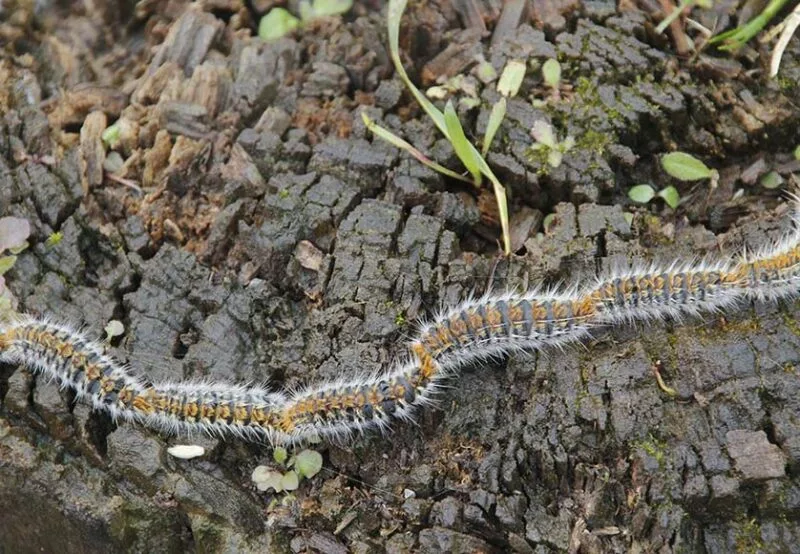
The pine processionary caterpillar (Thaumetopoea pityocampa) is the larva of a moth.
In late winter and early spring, these caterpillars move in single file, forming processions on the ground when they leave their nest to bury and pupate. Their most dangerous feature is their microscopic hairs, which contain a toxin that can cause severe allergic reactions. Do not touch them or act with protective equipment because their stinging hairs are very volatile!
Processionary caterpillars, parasites of pines and other conifers, represent a very serious risk not only for our four-legged friends, but for humans as well! Our spitz, curious by nature, can be seriously affected by these caterpillars due to their stinging hairs. This article aims to educate dog owners about the dangers of processionary caterpillars, providing detailed information on symptoms, treatments and preventative measures to adopt.
Symptoms of Exposure in Dogs
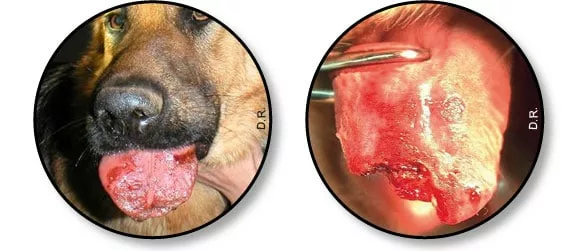
Dogs exposed to processionary caterpillars may exhibit several symptoms, often serious and requiring rapid intervention. Here are the most common signs:
- Mouth and Tongue Irritation and Swelling : Dogs often try to play with or eat these caterpillars, resulting in direct exposure to the toxin. Inflammation of all or part of the tongue leads to infection and necrosis. The necrosis, which renders the dog unable to eat, leaves the veterinarian with no other option than to partially amputate the tongue and sometimes euthanize the dog.
- Respiratory Difficulties : Inhaling the hairs can cause inflammation of the respiratory tract.
- Eye injuries : Contact with the eyes can cause severe conjunctivitis.
- Skin Reactions : Itching and rashes may appear on exposed areas.
- Anaphylactic shock :An allergic reaction that may cause the animal's vital prognosis .
Processing of Exhibitions.
If you suspect your dog has been exposed to processionary caterpillars, it is crucial to act quickly and consult a veterinarian. Treatments may include:
- Administration of Antihistamines and Corticosteroids : To reduce inflammation and allergic reactions.
- Treatment of Injuries : Cleaning of affected areas and administration of specific ointments or creams.
- Respiratory Assistance : In severe cases, respiratory assistance may be necessary.
Prevention against processionary caterpillars:
Prevention is the key to protecting your dog from the dangers of processionary caterpillars. Here are some measures to take:
- Avoid Infested Areas : During the active season of the caterpillars, generally from early spring to late summer, avoid walks in areas known to be infested.
- Active Surveillance : Be vigilant during walks in the forest or near pine trees, and prevent your dog from approaching nests or caterpillars on the ground.
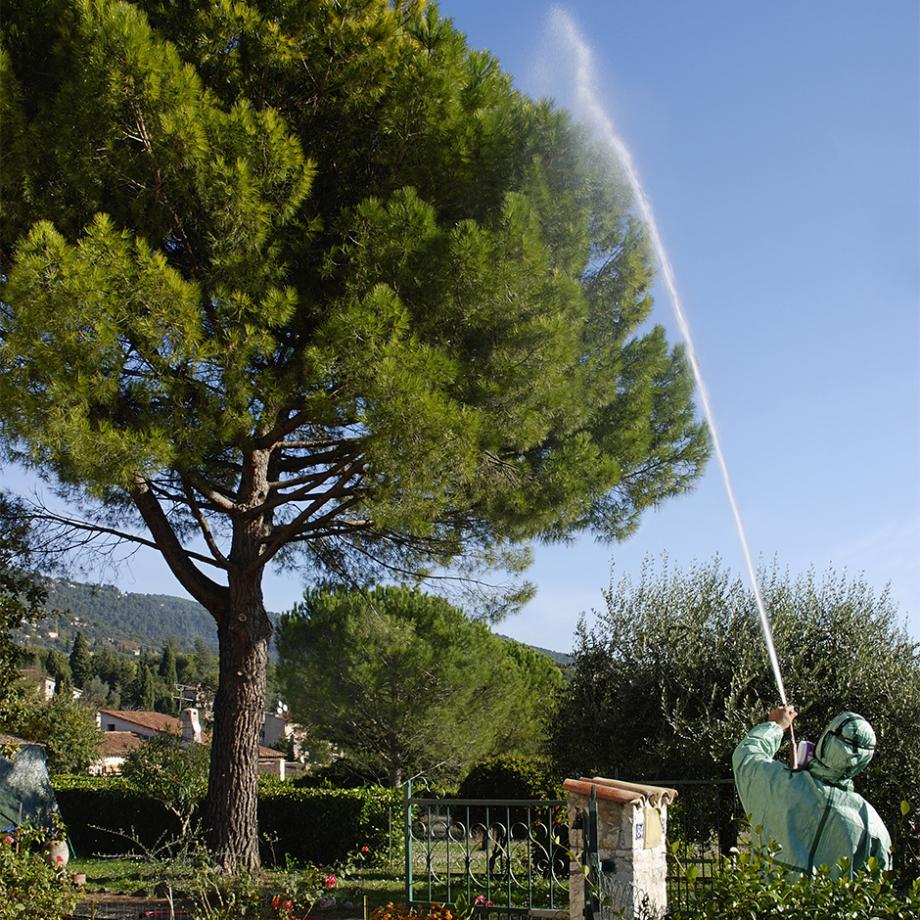
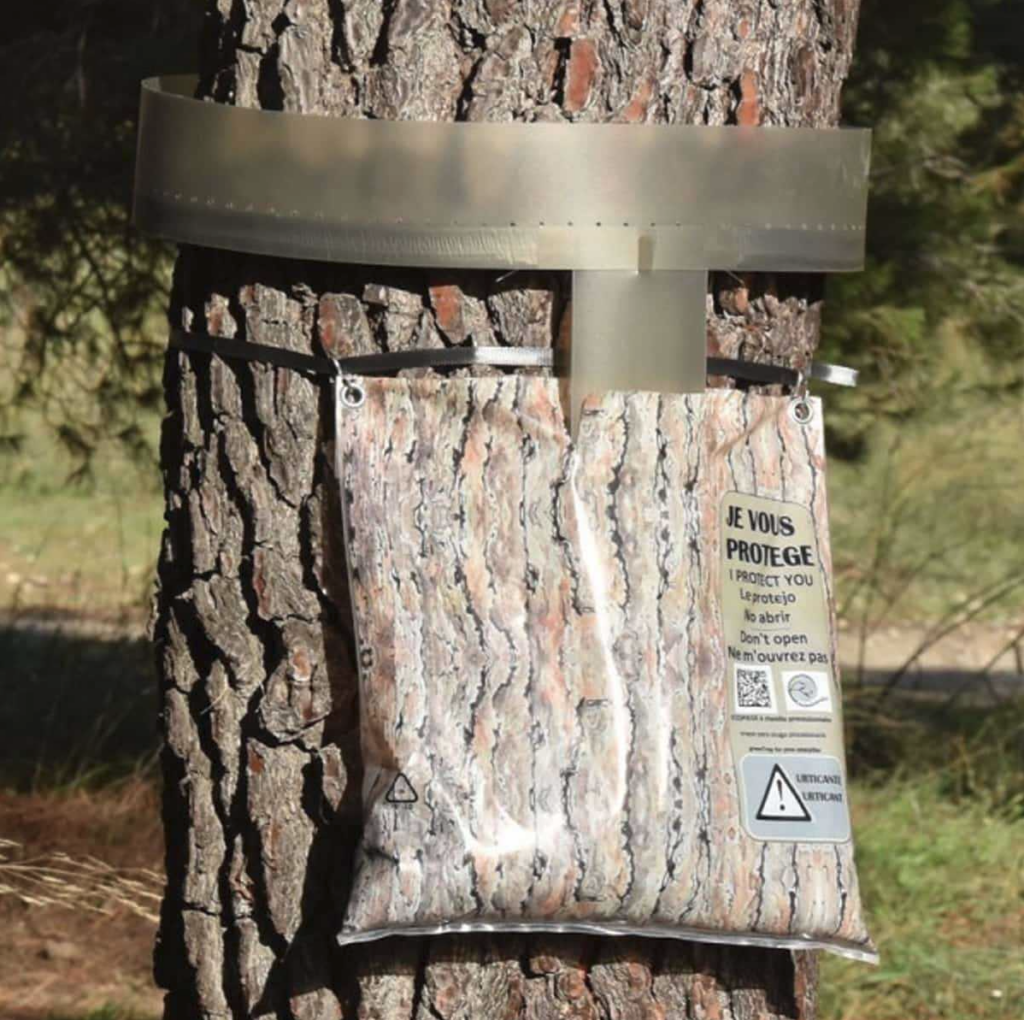
- On your property; Treat pines, conifers, and oaks : Contact a specialist company to treat your trees. Biological treatment (a bacterium called Bacillus thuringiensis) is available via spraying, as well as pheromone traps or eco-traps. Also, install nest boxes for tits. Cuckoos are also effective!
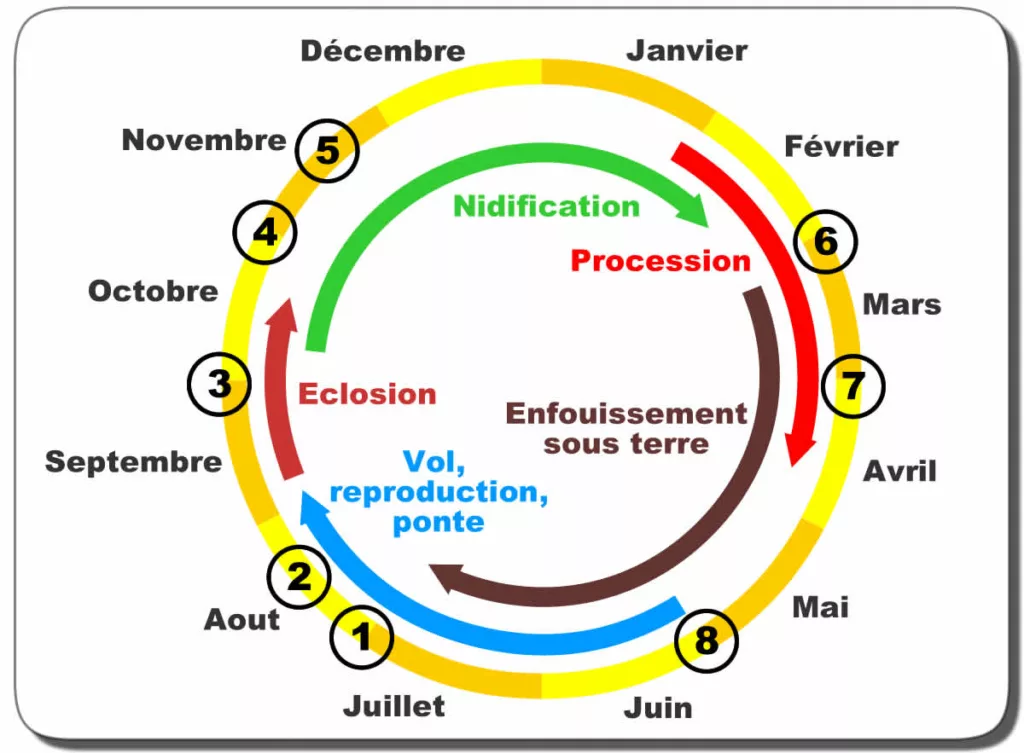
The different phases of their life cycle of the processionary caterpillar:
- Laying Eggs :
- Period : Late summer until early autumn (August to September).
- Description : Female moths lay their eggs in tight rows on the branches of host trees, mainly pines. A single clutch can contain up to 300 eggs.
- Egg Hatching and Larval Phase :
- Period : Autumn (September to October).
- Description : The eggs hatch approximately one month after being laid, releasing the young caterpillars. These larvae begin to feed on the needles of the host trees.
- Nest Formation and Community Living :
- Period : Autumn to late winter (October to March).
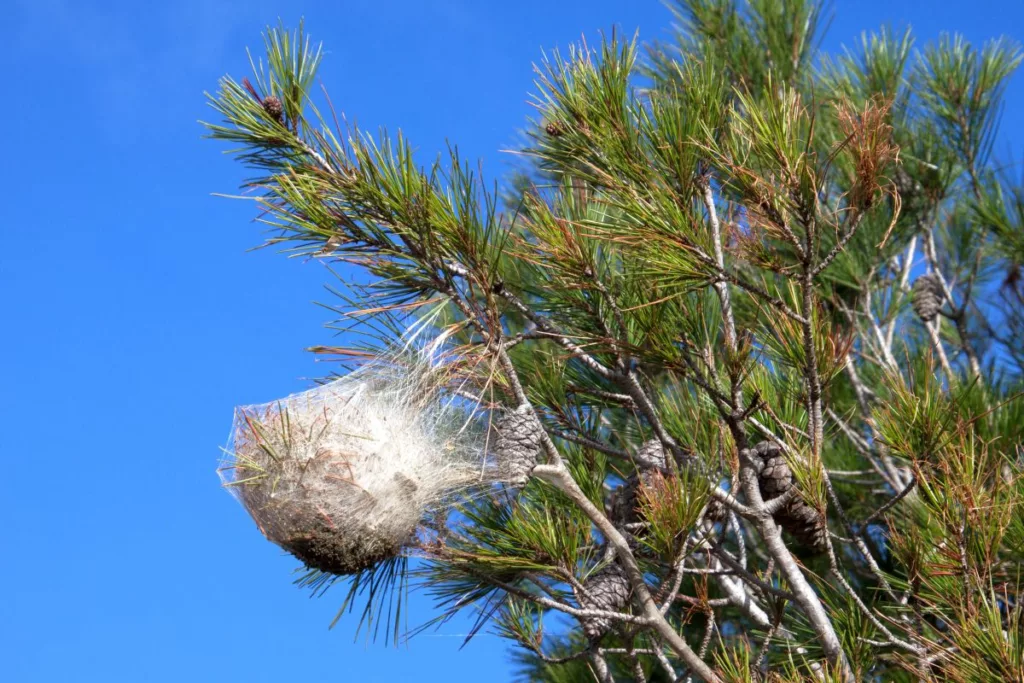
- Description : As they grow, the caterpillars weave silken nests on tree branches to protect themselves from the cold and predators. They live communally in these nests, coming out at night to feed together.
- Procession and Burial for Nymphosis :
- Period : Late winter to early spring (March to April).
- Description : In spring, the caterpillars leave their nests, forming long processions on the ground to find a suitable spot in the soil where they will burrow. This phase is characteristic and gives processionary caterpillars their name.
- Nymphosis :
- Period : Spring to early summer (April to June).
- Description : Once buried, the caterpillars transform into pupae in the soil. This metamorphosis phase lasts several weeks.
- Emergence of Butterflies :
- Period : Summer (June to July).
- Description : Adult butterflies emerge from the soil, thus completing the life cycle. Shortly after emerging, they mate, and the females lay eggs, beginning a new cycle.
Conclusion
Processionary caterpillars pose a real risk to the health and welfare of pets. Knowledge of the symptoms, available treatments and preventative measures is essential for all owners. By taking a proactive approach and staying informed, we can help protect our four-legged friends from these dangerous parasites. Collaboration between dog owners, local communities and animal health professionals is crucial to reducing the impact of processionary caterpillars and keeping our pets safe.