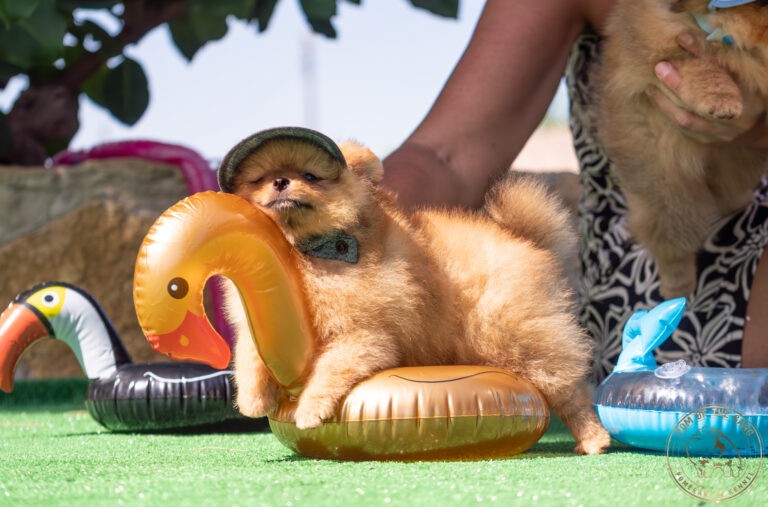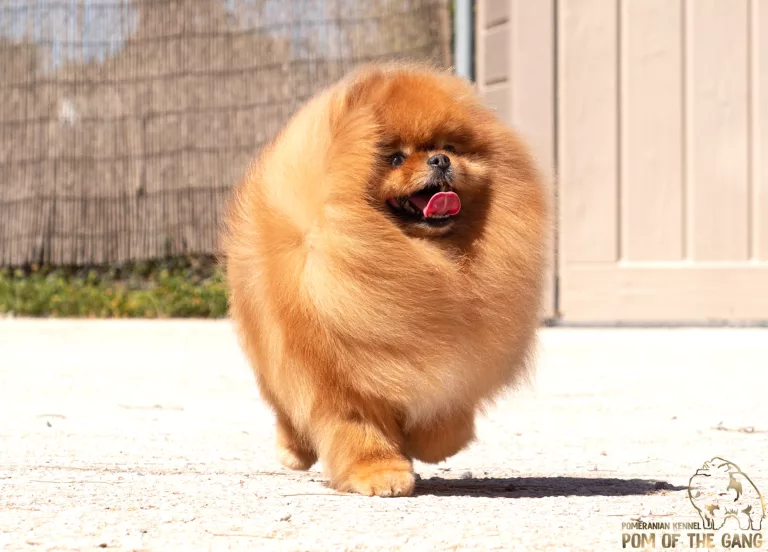
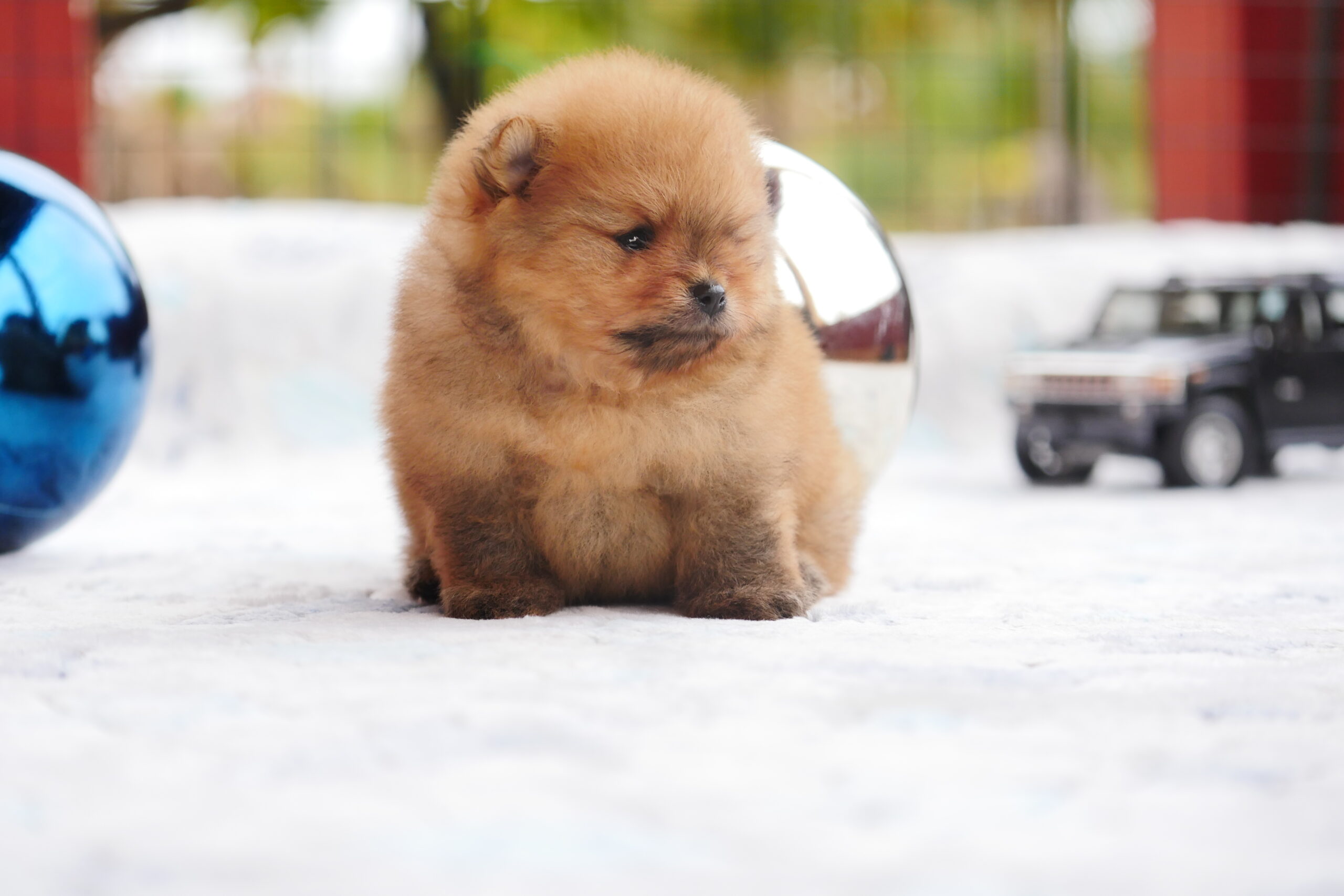
Deeply attached to its owner and bursting with energy, the Pomeranian quickly becomes a beloved member of the family. Despite its small size, it's hardy, but certain aspects of its lifestyle and health must be carefully considered to ensure its well-being.
His lifestyle and diet
Not all Spitz breeds have the same exercise needs depending on their size, but they all share the common characteristic of needing regular physical activity. The Pomeranian, in particular, can be content with a quieter life than larger dogs and adapt well to apartment living. However, it greatly enjoys walks with its owner and is perfectly capable of covering long distances without tiring. Despite its size, it is very athletic, lively, and intelligent, making it an excellent competitor in the canine sport of agility.
As with all dogs, a Pomeranian 's diet varies depending on its size, activity level, and age. For puppies, it's advisable to provide dry food ad libitum to prevent hypoglycemic episodes. Pomeranians have a fast metabolism; they burn a lot of energy and therefore need to eat frequently, in small portions. Their food must be specifically formulated for very small dogs, containing essential nutrients in appropriate quantities, and the kibble size must be proportionate to their small jaws.
His health
With a long lifespan of 12 to 16 years and generally robust health, the Pomeranian does, however, have some specific health issues. Its joints are rather fragile, so care must be taken to prevent injury. More specifically, it can suffer from patellar luxation, which can lead to temporary dislocation of the knee or hip dysplasia. The Pomeranian is also prone to eye problems. The most common diseases associated with the breed include: Alopecia X, a skin and coat condition; tracheal collapse, which can cause coughing; and distichiasis, the abnormal growth of a second row of eyelashes. It can also be susceptible to allergies, cataracts, or dental problems.
Grooming the Pomeranian
Grooming a Spitz requires regular attention. Pomeranian shed moderately. Brushing once a week is sufficient if their fur is trimmed regularly, and care should be taken to ensure there are no knots in the undercoat. During shedding season, daily brushing is necessary to remove dead hair. Grooming can be done at home or by a professional. The first time, it's advisable to go to a professional to observe where to trim the fur: evening out the coat, trimming around the anus and ears to achieve the characteristic "bear ears," and trimming the leg hair. It's important never to completely shave a Pomeranian , as their coat provides protection against the sun's rays, as well as against heat and cold. Don't hesitate to bathe them once or twice a year with a suitable shampoo. Nail trimming should be done periodically and teeth should be brushed two to three times a week to limit the risk of oral diseases.
Spitz dogs, especially puppies, can get bits of grass or other debris stuck in their fine fur, which can cause watery eyes. Therefore, it's important to regularly clean around their eyes with saline solution and a damp cloth, as well as their ears, to prevent infections.
To ensure your Pomeranian enjoys a serene and balanced life, regular veterinary checkups are essential, along with a healthy, high-quality diet and daily walks, all accompanied by plenty of affection.
Pomeranian puppies on our Facebook page : https://www.facebook.com/SpitzNain.Pomeranian.PomOfTheGang